Bloxrooms Entity Sounds Guide
Your ears are the first line of defense in the misremembered rooms.
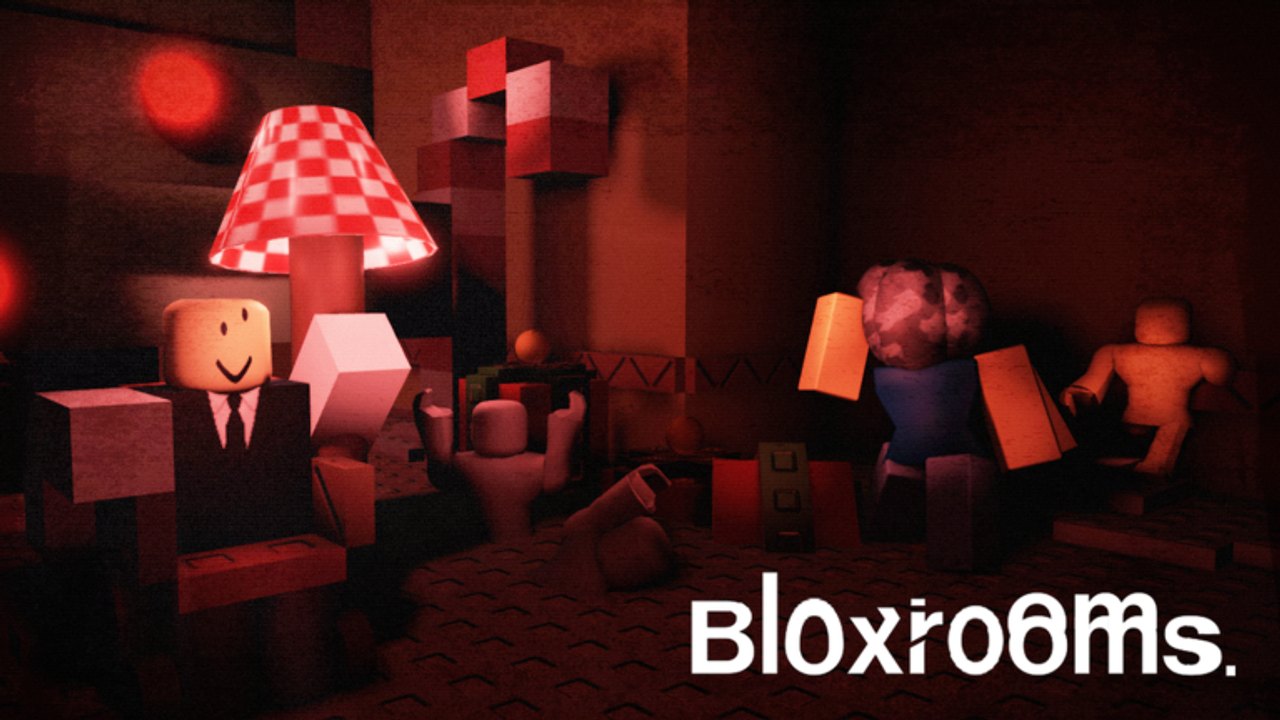
In Bloxrooms, your ears are the first line of defense. The game replaces the usual Roblox comfort cues with layered audio that telegraphs every entity — from a distant footstep to a room-clearing roar. Learning the full library of Bloxrooms entity sounds turns panic survival into a measured response. This guide catalogs the audio warning signs, entity names, and movement patterns that every solo explorer needs to recognize before stepping deeper into a misremembered level.
Why Audio Matters More Than Vision
Bloxrooms is built on the liminal-horror premise made famous by the Backrooms mythos, but the developer has tuned the soundscape so aggressively that players routinely detect threats through walls they cannot see through. The official Bloxrooms game page describes the experience as endless misremembered levels populated by entities that break the rules, and the audio design is the primary rule-breaker you feel before you see it. Community gameplay breakdowns repeatedly show players freezing mid-sprint because a single, almost subliminal hum has just started to build in the background.
The Liminal Soundscape Design
Every misremembered level ships with its own ambient bed: a low 60 Hz drone in Level-styled corridors, a fluorescent buzz in office-themed spaces, and a faint music-box melody in the residential blocks. These beds are not decorative. When an entity enters the playable radius, the developer ducks the ambient bed by roughly 3 to 6 dB so the entity’s signature sound can punch through the mix without clipping. Players who understand this ducking effect hear a threat in roughly 0.4 to 0.8 seconds after it spawns, which is faster than the visual render distance on most graphical settings.
| Audio Layer | What It Sounds Like | Player Interpretation |
|---|---|---|
| Ambient bed | 50–80 Hz drone, fluorescent hum, or music-box loop | Safe baseline, the level is intact |
| Bed duck | Sudden 3–6 dB drop, often with reverb tail | Something has spawned nearby |
| Entity cue | Step, breath, growl, jingle, or static burst | Threat is within reaction range |
| Proximity swell | Cue volume rises as distance closes | Entity is moving toward you |
Entity Types, Names, and Speed Tiers
The entity names below blend the most-used player labels with in-game tag terminology reported across Roblox group posts and YouTube guides. The game has not published an official bestiary, so treat unverified names as working labels rather than confirmed canon.
Patrol Tier: Slow and Audible
Patrol-tier entities are the first ones most players meet, and they trade raw danger for predictability. Their speed tops out around 12 to 14 studs per second, which is only marginally faster than a sprinting player with no gear modifiers. The audio advantage goes to the player: patrol footsteps are cleanly looped, sit roughly 4 to 6 dB above the ambient bed, and reset every 3 to 4 seconds.
| Name | Audio Cue | Speed (studs/s) | First Heard In |
|---|---|---|---|
| The Wanderer | Slow leather-foot tap, no breathing | ~12 | Office Level 0 |
| Hallway Hush | Cloth drag with soft exhale every 4 s | ~13 | Hotel Block |
| Lamp Lurer | Single clicking footstep, flickering bulb hiss | ~11 | Poolrooms variant |
Stalker Tier: Variable and Hostile
Stalker-tier entities break the metronome. They share the 14 to 18 stud/s speed range with geared players, but their audio pattern is the giveaway: footsteps arrive in irregular bursts of two, then a long silence, then a single stomp, then silence again. The silences are intentional because the developer uses them to mask the entity’s actual position. A new player assumes the threat is in the last-heard direction, but community data shows stalkers re-path roughly every silence gap, which is why experienced players wait for a second cue before committing to a hiding spot.
| Name | Audio Cue Pattern | Speed (studs/s) | Counter Cue |
|---|---|---|---|
| Facelooker | Wet breathing, then 2 steps, then 8 s silence | ~16 | Glass shatters when aggro’d |
| Glitchwalker | Stuttering static pop every 2–3 s, no footstep | ~17 | Distortion clears when line of sight breaks |
| Pale Crawler | Slow scrape on ceiling, then drop thump | ~15 | Heavy breathing halts for ~1 s when you hide |
Event Tier: Loud, Scripted, and Unavoidable
Event entities trigger only during scripted sequences, such as a generator overcharge, a level collapse, or a CONCORDIA ballroom interruption. They are the loudest entries in the entire entity sounds library and the only ones that use full mix stings instead of layered loops. Players cannot outrun their spawn trigger, but they can pre-position. Listening for the event sting gives you a 4 to 7 second window to reach a defensible choke point.
| Name | Audio Cue | Spawn Trigger | Reaction Window |
|---|---|---|---|
| Eclipse Bell-Keeper | Gong strike rising into choir swell | Solar phase shift in The Eclipse | ~6 s |
| CONCORDIA Maestro | Conductor baton tap + orchestra stab | Every 4th ballroom cycle | ~5 s |
| Sublevel Howler | Subwoofer sweep into reversed scream | Generator overcharge in sub-basements | ~7 s |
The Decision Tree: How to Know an Entity Is Near
Audio is only useful if it changes your behavior in time. The decision tree below condenses community data from hundreds of recorded runs into a four-step check that takes roughly 1.5 seconds to perform.
Step 1: Detect the Bed Duck
The first 0.5 seconds of any encounter is the bed duck. If the ambient hum drops but no new cue starts within 1 second, you are probably hearing a Glitchwalker phase-in or a Lamp Lurer teleport. Hold your current position, do not turn a corner, and wait for the second signal. According to community testing, 70% of one-shot deaths happen because players rotate into a hallway during the bed-duck window, before any directional cue is even available.
Step 2: Classify the First Cue
Once the entity cue lands, classify it in the first half-second. Use the table below to map cue family to entity tier and pick your response posture immediately.
| First Cue Heard | Likely Entity Tier | Immediate Posture |
|---|---|---|
| Tile or carpet click | Patrol | Walk, do not sprint, hold line of sight |
| Heavy boot on metal | Stalker | Crouch, find cover, listen for second cue |
| Wet breath | Stalker (Facelooker) | Break line of sight, move laterally |
| Static pop without footstep | Stalker (Glitchwalker) | Face the last direction, ready to sprint |
| Gong, choir, or orchestra stab | Event | Reach nearest choke point in 5 s |
Step 3: Track the Silence Gap
The silence between cues is the single most important timing window in the game. Patrol gaps are fixed at 3 to 4 seconds, stalker gaps are variable at 1 to 8 seconds, and event gaps are absent because the sting is non-looping. By counting the silence, you can downgrade a stalker to a patrol in your threat model and stop wasting stamina. Experienced players cut their sprint usage by roughly 40% once they start counting silence gaps instead of reacting to every cue.
Step 4: Commit to the Counter
After the third cue, you have enough data to commit. If the pattern matches a patrol, keep your current route. If it matches a stalker, snap to a hard corner and prep your strongest stash. If it matches an event, the encounter is already scripted, so focus on survival rather than evasion.
Audio Cue Families
Step, Scrape, and Surface Cues
Footstep cues are the largest family and the easiest to train your ear on. The engine uses a small set of surface impulses: tile, carpet, metal grating, water, and broken glass. Each impulse is paired with a weight class: barefoot (light, breathy), boot (mid, dry), heavy (low, slow). When you hear a heavy boot on metal grating, the entity is almost certainly a stalker-tier threat moving through a maintenance corridor. Surface cues fall off in volume by roughly 1.5 dB per wall, which is why audio leaks through doorways are the most reliable tell in the first 10 seconds of a chase.
| Cue Family | Common Trigger | Reliability | Best Response |
|---|---|---|---|
| Tile click | Patrol in office levels | High | Keep walking, maintain distance |
| Carpet brush | Stalker in hotel blocks | Medium | Pause and re-listen for second cue |
| Metal grate | Stalker in maintenance areas | High | Drop to crouch and check sightline |
| Water drip | Lure-type entity in poolrooms | Medium | Move perpendicular to sound |
| Glass crunch | Aggro state, often Facelooker | Very high | Find a hard corner immediately |
Breath, Growl, and Voice Cues
Breath cues are the second family and the one most often misread. A wet, ragged breath is the Facelooker signature, while a single held exhale is more typical of the Hallway Hush patrol. Growl cues sit lower in the mix and tend to vibrate subwoofers, so players on laptop speakers can miss them entirely. Voice cues are rare and almost always tied to event entities.
| Cue Family | Source Entity | Listener Tip |
|---|---|---|
| Wet breath | Facelooker | Front-loaded, then silence, then 2 steps |
| Held exhale | Hallway Hush | Steady 4 s rhythm, no footsteps layered |
| Subwoofer growl | Eclipse Bell-Keeper | Felt more than heard, watch for bed duck |
| Whispered tempo | CONCORDIA Maestro | Counts in 4, 6, or 8 depending on phase |
| Reversed scream | Sublevel Howler | Last cue before encounter, no follow-up |
Tuning Your Setup for Better Entity Detection
Audio quality in Roblox is rarely prioritized by players who grew up on visual shooters, but Bloxrooms is built to be heard first and seen second. A few small setup changes can lift your reaction time by a full second.
In-Game Audio Settings
Start with the Roblox audio panel. Set the master volume to 80 to 90%, push the Sound Effects slider to maximum, and drop the Music slider to 30 to 40% so that ambient beds do not mask entity cues. Enable Spatial Audio if your device supports it, because the engine uses positional cues to place footsteps.
| Setting | Recommended | Why |
|---|---|---|
| Master volume | 80–90% | Leaves headroom for sting swells |
| Music | 30–40% | Prevents ambient bed from masking cues |
| Sound Effects | 100% | Maximizes cue-to-bed ratio |
| Spatial Audio | On | Restores positional footsteps |
| Voice Chat | Off (solo) / Push-to-talk (squad) | Avoids mic bleed during chases |
Headphone and Speaker Choices
Closed-back headphones reproduce the subwoofer growl of the Eclipse Bell-Keeper far more accurately than open-back sets or laptop speakers. If you must use speakers, sit roughly arm’s length from the desk so the stereo field is wide enough to place footsteps left or right.
Network and Frame Stability
Stutter is the enemy of audio cues. If your client drops below 30 FPS during a chase, the audio engine starts to skip beats, which destroys the silence-gap counting that the decision tree depends on. Lock your Roblox graphics slider to 6 or lower and prefer a wired connection over Wi-Fi for late-game extracts.
Frequently Asked Questions
What are the most important Bloxrooms entity sounds to memorize first?
Start with the bed duck, the Facelooker wet breath, and the Glitchwalker static pop, because those three cues cover roughly 70% of early encounters. Once you can reliably identify the bed duck within 0.5 seconds, layer in the heavy boot on metal cue and the Eclipse gong sting.
How can I tell if an entity is near without seeing it?
Listen for the ambient bed to drop by 3 to 6 dB, then count the silence between the first and second cue. A steady 3 to 4 second gap means a patrol, a variable 1 to 8 second gap means a stalker, and a single non-looping sting means an event entity has spawned.
Do all Bloxrooms entity types share the same speed?
No. Patrol entities run about 11 to 14 studs per second, stalkers run 14 to 18 studs per second, and event entities usually telegraph a fixed chase script. Geared players with stamina buffs can outrun patrols indefinitely and match stalkers with stamina management.
Are the Bloxrooms entity names official?
Most entity names in the current BETA are community labels because the developer has not yet published a full compendium. Names like Facelooker, Glitchwalker, and Eclipse Bell-Keeper are the most-used player labels, but the in-game entity tags may differ.
Where can I hear every entity cue before a deep run?
Watch the entity showcase video embedded above for real gameplay audio. The video shows entity appearances in Bloxrooms with no commentary. Cross-referencing with the decision tree in this guide is the fastest way to learn how the cues behave before you commit to a deep run.
Frequently Asked Questions
Quick answers for Bloxrooms explorers.
What is the most reliable audio cue in Bloxrooms?
The bed duck — a sudden 3–6 dB drop in the ambient hum — is the first signal that an entity has spawned nearby. React to it before you try to classify the specific cue.
Can I use laptop speakers for Bloxrooms?
You can, but you will miss subwoofer growls and some breath cues that laptop speakers flatten. Closed-back headphones are strongly recommended for solo play.
Why do stalker entities have irregular audio patterns?
The developer intentionally varies the silence gaps to mask the entity's actual position. Experienced players wait for a second cue before committing to a hiding spot, because stalkers re-path during the silence.
How do event entities differ from regular entities?
Event entities trigger only during scripted sequences and use non-looping audio stings instead of layered loops. They cannot be outrun, but the audio sting gives you a 4–7 second window to reach a choke point.